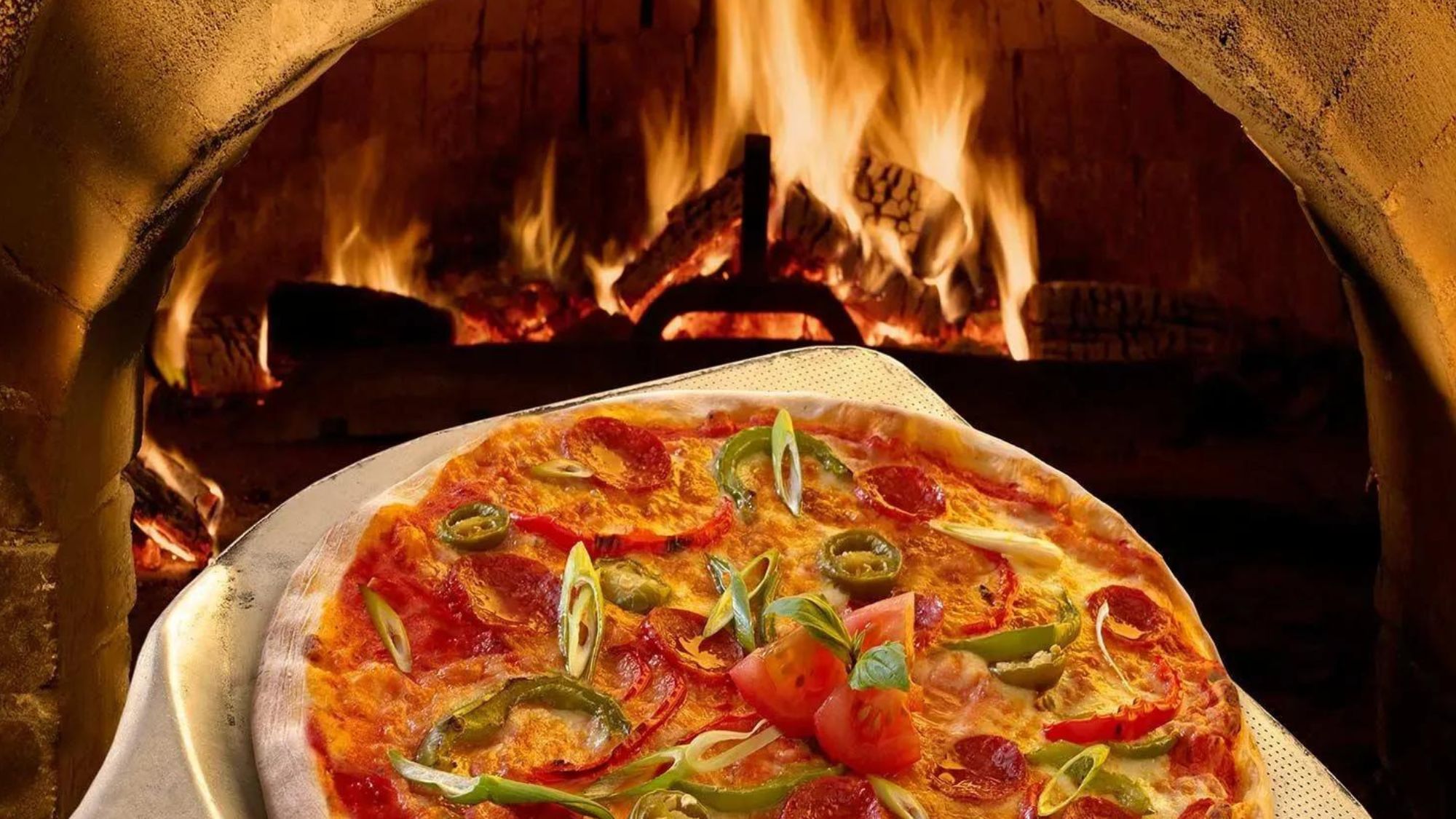
Enthusiasts will frequently find themselves in the niche world of the pizza oven as they look for the ideal pizza: a charred, blistered crust with a light, airy cornicione and correctly melted toppings. Unlike normal kitchen ovens, these specialised appliances are created to offer the extreme heat needed for genuine, Neapolitan-style results. Used as a thermal mass, the baking stone absorbs fire and transports it straight to the dough for a quick, crisp bake, the key to this method.
Knowledge of fire control, temperature control, and the delicate science of launch and turn is part of the mastery of this instrument. Buying a sale pizza oven for those eager to elevate their home cooking might be revolutionary. Step, able to provide restaurant-quality results in your kitchen or back garden.
Selecting the Appropriate Oven and Fuel Choice Choosing the right oven, first of all, is step one. The conventional approach with wood ovens yields rich, smoky tastes but calls for expertise in fire management and consistent heat distribution. Gas ovens enable very exact control at the touch of a button; therefore, beginners and consistent results would find them perfect.
Alternatively, balconies or tiny kitchens benefit from little electric pizza ovens. Your decision will affect the learning curve: wood reaps rewards via familiarity with unmatched character; gas yields convenience. Before investing, think about your level of dedication and preferred cooking technique, as the fuel supply is crucial for the whole operation.
The Inflexible Function of Preheating The essential for flawless stone baking is a very preheated oven. One must heat the stone to 400–500 °C for actual pizza. Give a wood-fired oven 45 to 60 minutes to absorb the thermal mass; a gas type takes 20 to 30 minutes. This is not a fast process. Use an infrared thermometer to accurately measure the stone's surface temperature rather than the dome's inside temperature.
Proper stone heating assures the dough will set instantly, hence preventing a soggy bottom and developing those distinctive leopard spots on the crust. The most frequent reason for a lacklustre first pizza is a hurried approach to this process.
Preparing the Ideal Pizza DoughThe extreme heat of a pizza oven calls for something unique. Made from '00' flour, the perfect dough has great hydration. Lower protein finely milled flour produces a light, thin crust that cooks quickly without being chewy. Slow-proved Complex tastes and a gas-filled texture call for dough, usually kept in the refrigerator for 24 to 48 hours.
To hold the toppings, the base should be moulded, smooth, and thin with a risen, airy rim (the cornicione). Though delicate enough to bake within 60 to 90 seconds, a well-shaped dough will be strong enough to be flung.
Acquiring Temperature Zones and Fire ManagementFire control is an art in a wood-burning oven. Preheated oven, sweep the coals to the back or side to provide an even baking surface. Additionally, generating distinct temperature zones: a very hot spot straight in front of the fire and a cooler area farther away from it. For your gain, use these locations.
Start the pizza in the hottest location to quickly cook the bottom, and then move it to a lower temperature to complete the cooking of the top without burning the crust. With gas ovens, it is not as important, but knowledge of hot spots still comes in handy for evenly baked pizzas, particularly with several pizzas.
Opening and Rotating the Pizza Is An Art FormOne must hone the talent of shooting the pizza off the peel onto the stone. To prevent sticking on the peel, mildly flour or semolina-dust your dough. Push the pizza onto the stone with a fast, snaking, forward-and-backwards jerking action. Setting of the crust will take 20–30 seconds.
Pick the border and turn the pizza 90 degrees with a metal turn-peel. Spread the heat from all directions by doing this every 20–30 seconds to avoid scorching one side. Regular rotation is the secret to an equally baked crust and perfectly melted toppings.
ConclusionLearning about a pizza oven is a fulfilling trip that combines art, science, and some theatre. Every motion from the critical preheat and speciality dough to strong launching and strategic turning contributes to the perfect, blistered crust. Embracing the high-heat philosophy and showing respect for the abilities of the equipment will transform your outdoor cooking.
You're a novice starting with gas or an old-timer working over wood; thermal mass, and simplicity are synonymous. The final product is not just an improved pizza, but an entire dining experience that brings the real flavour of Italy into your home.