Sustainable living begins at home, and effective waste management plays a major role in it. Since homes produce more trash every day, employing environmentally friendly disposal methods has become critical. Every little effort helps to create a greener world, from reusing and lowering to composting and recycling. Modern houses increasingly depend on more clever waste solutions that enable simpler and more effective disposal.
Using a 2 cubic yard skip bin, for instance, offers a practical and ecologically responsible way of managing household waste. For little household clean-ups, these tiny skips let homeowners distinguish recyclables from typical trash. Combining sustainable practices with useful waste containers helps families keep a tidier house and advance a greener environment. In this article, we will discuss some sustainable residential waste solutions for modern homes.
Reduce Waste at the SourcePreventing garbage from being generated is the best approach for its control. Mindful consumption sets the beginning of waste reduction. Steer clear of overbuying; select recyclable or low packaging items. Choose reusable containers, glass jars, and fabric bags instead of disposable plastics.
Little modifications in daily routines, like using reusable bottles or staying away from disposable silverware, can have a great impact. Buying less and reusing more helps you not just reduce waste but also save room and money. The first step toward a sustainable home is cutting waste at the source.
Recycling Made EasyRecycling lessens the demand for raw materials by turning old materials into fresh ones. Many areas provide easy curbside recycling plans nowadays. To streamline the process, homeowners can segregate recyclable items like paper, cardboard, glass, and some plastic. Family members are motivated to participate by designating bins for various materials.
Recycling only works when done right; however, things need to be sorted properly and cleaned. Keep up to date on local recycling policies since they might differ from location to location. Responsible home recycling protects natural resources and lowers landfill garbage.
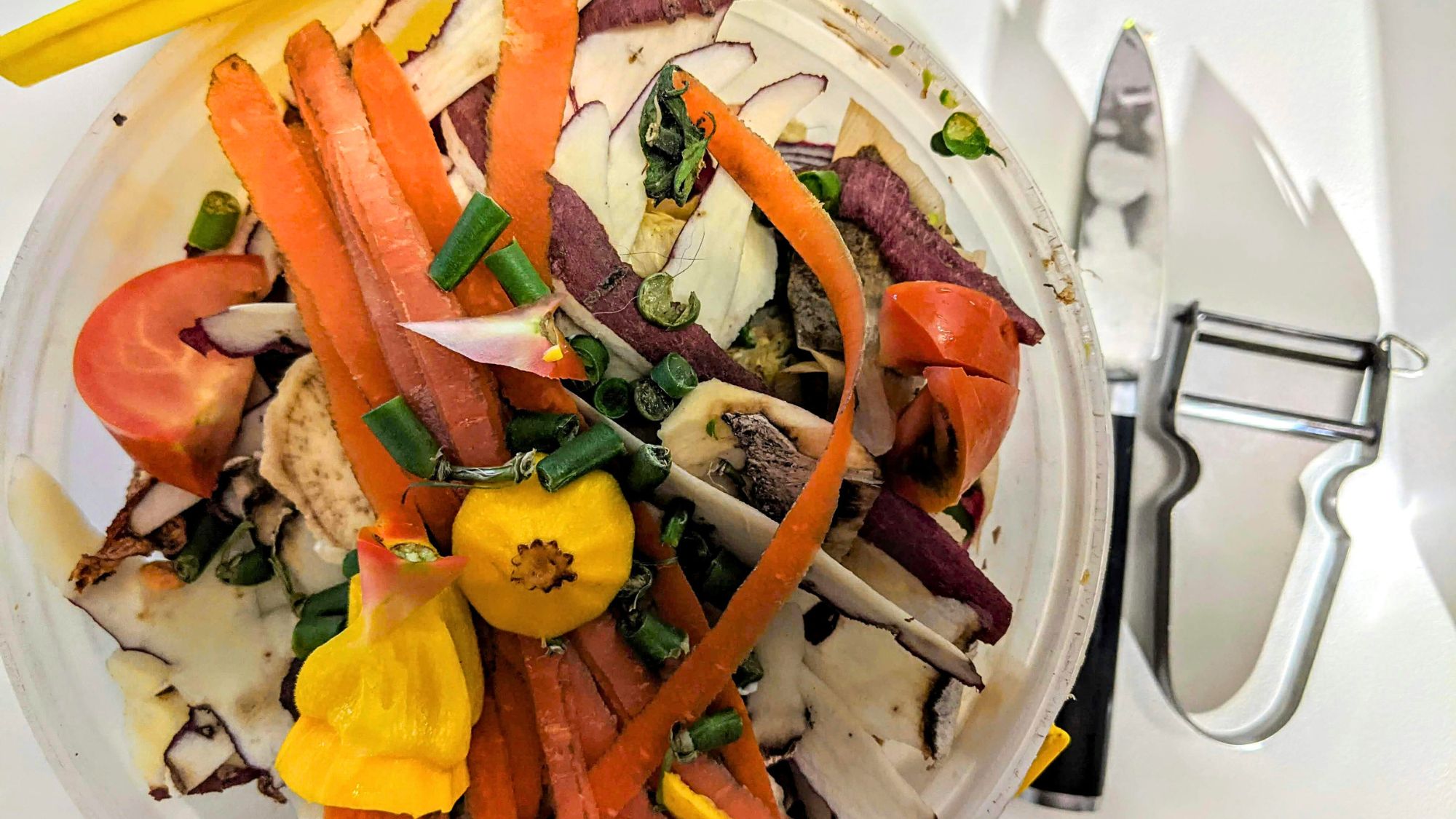
Composting for Organic WasteOne of the most straightforward and efficient methods for disposing of organic trash is composting. Fruit peels, vegetable remains, coffee grounds, and eggshells—kitchen leftovers can be transformed into nutrient-rich compost for gardens.
By bettering soil quality, this procedure lowers garbage in landfills. Home composting bins come in several sizes, so appropriate for homes with gardens or flats. By stopping food waste from decomposition in landfills, compost also helps lower greenhouse gas emissions. It is a natural, ecologically friendly process that transforms trash into anything beneficial for your house and the environment.
Reusing and Repurposing Everyday ItemsConsider how discarded items can be repurposed before you toss them. Old jars can be used for storage containers; cardboard boxes can be used for crafts; worn-out clothing can be converted into cleaning rags. Reusing objects provides them a second life and lowers waste generation.
Many homeowners are turning trash into decorations or useful goods with DIY projects. This method gives your house a personal touch and encourages sustainability. Thinking imaginatively and making the most of what you already have is what reusing is all about.
Energy-Efficient Waste Disposal MethodsSustainability goes beyond recycling and composting; it includes how rubbish is managed. Energy-efficient garbage collection systems and smart containers that separate contents automatically can improve contemporary houses. Some modern waste treatment plants also generate energy by converting household garbage.
Moreover, homeowners can help waste management companies employ low-emission technologies and environmentally friendly vehicles. Families can lower their carbon footprint by adopting new disposal techniques. While maintaining the tidiness and order of their surroundings.
Community Participation in Waste ProgramsWhen groups get together, sustainable trash management is most effective. Neighbourhood recycling efforts, clean-up projects, and educational programs promote shared responsibility. Organising or engaging in such projects increases awareness about sustainable living.
Many residential communities now provide shared composting systems or recycling locations, which simplifies trash management for everyone. Communities that come together may inspire more comprehensive garbage management strategies and support environmental education. Every little effort helps to create a healthier, cleaner neighbourhood.
Choosing Professional Waste Management ServicesMany homeowners find it difficult to properly handle waste. That is the place professional waste management solutions enter. These solutions manage sorted, collected, and recycled material in a systematic and environmentally friendly manner.
Many businesses today provide eco-friendly products like scheduled trash pickups, recycling bins, and biodegradable bags. Employing experts guarantees careful and responsible waste disposal. It also saves time and advances a more environmentally friendly way of living.
Conclusion Sustainable residential waste management is a must-have rather than a fad now. Through little, consistent actions, every home may have a good environmental effect. Homeowners can greatly lower their trash generation by composting, recycling, reusing, and reducing to go green.
Working with professional services and volunteering in community projects helps to further support these programs. A neat house helps to clean the earth.